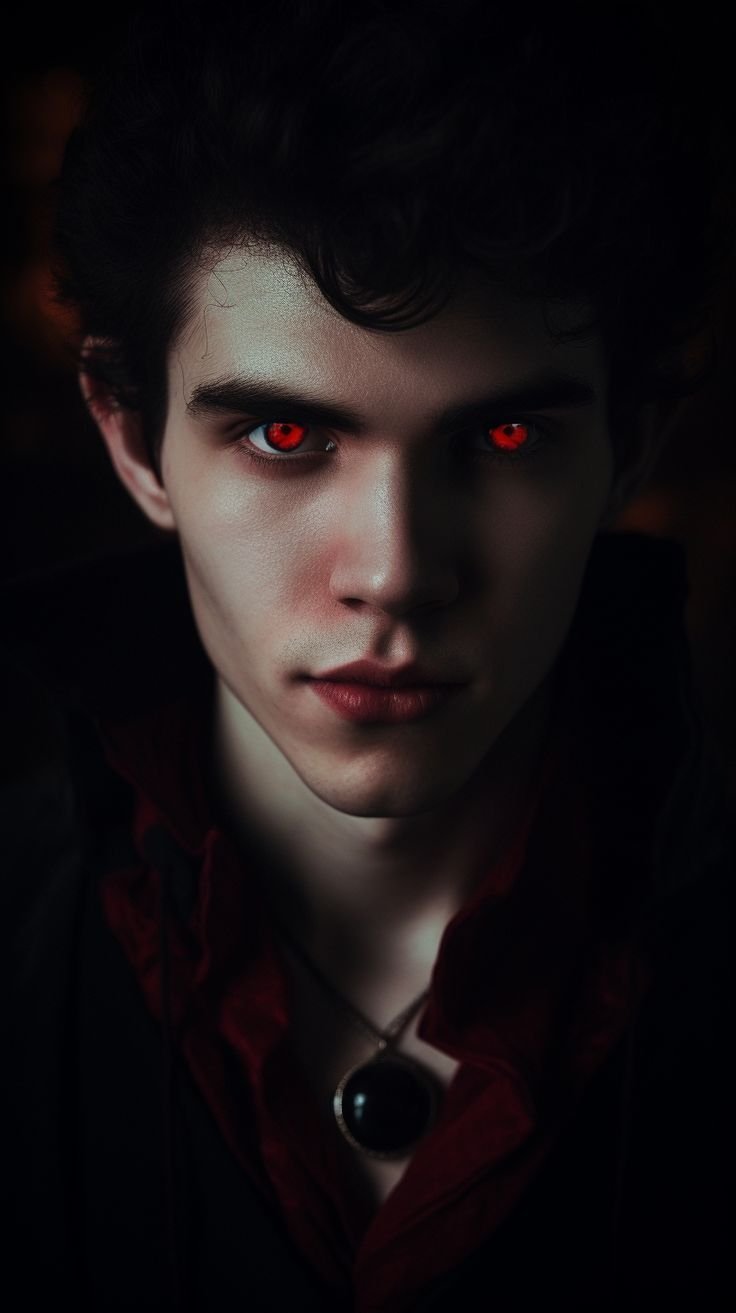
The shadowy figure of the vampire has haunted human imagination for centuries, morphing from a terrifying, nameless horror into a complex, often alluring, cultural icon. Tracing The Evolution of Vampire Portrayals reveals far more than just changes in gothic fashion; it’s a mirror reflecting our deepest fears, our shifting desires, and the evolving narratives we tell about power, identity, and the forbidden.
From ancient folkloric specters to the brooding romantic leads and even the mundane housemates of modern media, the vampire genre offers a potent lens through which to explore what it means to be human—or, perhaps, gloriously, tragically, inhuman.
At a Glance: Key Shifts in Vampire Portrayals
- Ancient & Folkloric (Pre-19th Century): Undead entities, often shapeless or ghastly, driven by primal hunger. Rooted in local superstitions and fears of disease or the unknown.
- Literary Gothic (19th Century): Emergence of the aristocratic, seductive, and predatory vampire, often with sexual undertones. Carmilla and Dracula set the template.
- Early Cinema (Early 20th Century): Visually terrifying, non-human monsters reflecting societal anxieties, as seen in Nosferatu.
- Modern Reimagining (Late 20th Century): Vampires become more complex—tortured, anti-heroic, even redeemable. Anne Rice’s work was pivotal.
- Pop Culture Phenomenon (21st Century): Diversification into romantic heroes (Twilight), comedic figures (What We Do in the Shadows), warriors (Underworld), and allegorical figures exploring social issues (True Blood).
- Contemporary Revival: A renewed interest, often returning to horror roots while layered with themes of consent, bodily autonomy, and social commentary, as seen in recent Nosferatu adaptations.
From Graveyards to Grand Halls: The Undead's First Steps
Before they donned velvet capes or sparkled in sunlight, vampires were the stuff of raw, primal fear. These weren't suave seducers; they were grotesque remnants, born from superstition and the terrifying inability to explain disease, death, or decay.
Ancient Echoes: The Primal Terror
The earliest vampire legends trace back to ancient narratives, far predating written literature. Think of the Greek vrykolakas, a reanimated corpse that would rise from its grave to harass the living, or the countless European and Slavic folklore tales of revenants—undead beings that preyed on the living. These entities weren't necessarily bloodsuckers in the modern sense but rather enigmatic specters whose existence shattered the peace of the dead. Their motivations were simple: malevolence, hunger, or a lingering grievance. They were often tied to poor burials, sudden deaths, or the desperate human need to find a cause for misfortune.
These early portrayals cemented the vampire's fundamental role: an embodiment of the unknown, a violation of the natural order, and a direct threat to community safety. Understanding these deep roots helps us appreciate the sheer staying power of the myth, even as it dramatically transformed over centuries. To explore more about the initial stories, check out our piece on the true origins of vampire myths.
History's Shadow: Real-Life Inspirations
While folklore provided the raw material, history offered compelling (if often exaggerated) figures that lent a macabre sophistication to the emerging vampire archetype.
- Vlad III "Tepes" Dracula (Vlad the Impaler): This 15th-century Wallachian prince, renowned for his brutal military tactics and impaling enemies, became a chilling footnote in history. While he wasn't a literal vampire, his name and reputation for cruelty undeniably fueled the dark mystique that Bram Stoker would later tap into, linking the monstrous with an aristocratic, powerful figure.
- Elizabeth Báthory: The "Blood Countess" of 16th-century Hungary was infamous for allegedly torturing and killing hundreds of young women, reportedly bathing in their blood to preserve her youth. Though her vampiric acts were metaphorical, her legend contributed significantly to the trope of the immortal, aristocratic predator, particularly the female vampire obsessed with eternal youth and power through the suffering of others.
These historical figures, filtered through myth and embellishment, laid the groundwork for the vampire to evolve beyond a simple monster and into a more complex, psychologically potent symbol. Scholars like Montague Summers, with works such as The Vampire in Europe and The Vampire: His Kith and Kin, further cemented the vampire as a legitimate subject of study, bridging folklore with early academic inquiry.
The Literary Awakening: When Vampires Found Their Voice
The 19th century was the crucible where the modern vampire truly took shape, transitioning from local superstition to a compelling literary figure. This era, rife with Victorian anxieties and romanticism, saw authors imbue the undead with seductive danger, forbidden desires, and aristocratic charm.
Carmilla's Seduction: Taboo and Temptation
Joseph Sheridan le Fanu's 1872 novella, Carmilla, was a groundbreaking work, introducing a female vampire who was not merely monstrous but alluring, sophisticated, and deeply unsettling. Carmilla preys on young women, embodying a destructive passion that corrupts innocence. Her predatory nature is laced with sensual, almost erotic, undertones, often interpreted as an exploration of queer sexuality at a time when such themes were strictly taboo.
Carmilla linked vampirism directly to transgressive sexuality, making the act of feeding a metaphor for intimacy that was both desired and reviled. This portrayal was a stark warning against overt female sexuality, yet simultaneously fascinated readers with its forbidden allure.
Dracula's Reign: Fear, Desire, and Victorian Morality
Bram Stoker’s 1897 masterpiece, Dracula, is arguably the most influential vampire novel ever written. Stoker masterfully fused Eastern European myths with Victorian England’s deepest fears: invasion by foreign forces, the corruption of innocence, and the terrifying power of female sexuality unleashed.
Count Dracula is the quintessential predator, preying on innocent women like Lucy Westenra and Mina Harker. The act of blood-sucking becomes a potent metaphor for intimacy, disease, and the loss of control. Stoker's female vampires—Dracula's brides—are portrayed as overtly sexual, dangerous, and deviant, serving as a chilling warning against women who stray from societal norms of modesty and purity.
Both Carmilla and Dracula solidified the vampire's image as an alluring, passionate, and corrupting force. They are figures of immense power, often aristocratic, who challenge conventional morality and bring chaos to polite society. These literary creations forever changed how we perceive the undead, laying a rich foundation for all subsequent vampire portrayals. To delve deeper into these foundational texts, you might enjoy our article on iconic literary vampires and their impact.
Silver Screen Immortals: The Cinematic Evolution
The moment film emerged, it was clear the vampire was destined for the silver screen. The visual medium could bring the gothic horror and seductive danger of these creatures to life in unprecedented ways, captivating audiences globally.
From Silent Screams to Cult Classics
The cinematic journey of the vampire began with Nosferatu (1922), F.W. Murnau's unauthorized adaptation of Dracula. Max Schreck's portrayal of Count Orlok was monstrous and rat-like, emphasizing the pure horror and disease-carrying aspects of the vampire. Orlok was a creature of shadow and grotesque hunger, not a romantic figure.
Decades later, Hollywood's Universal Monsters brought Bela Lugosi's iconic, suave Count Dracula to the screen in 1931, solidifying the image of the aristocratic, hypnotic vampire in popular consciousness. This version, while still villainous, introduced an undeniable charisma.
It wasn’t until Francis Ford Coppola's 1992 Bram Stoker’s Dracula that cinematic vampires began to truly explore complex emotional narratives, merging romance with visceral horror. Gary Oldman's Dracula was a tragic figure, cursed by lost love, making him less of a pure villain and more of an antihero—a powerful, isolated being burdened by immortality. This film represented a significant shift, demonstrating that the vampire could be both terrifying and deeply empathetic. The classical figure of Dracula had begun his transition from unadulterated evil to a more nuanced, often sympathetic, antagonist.
Beyond the Cape: Diverse Cinematic Interpretations
The late 20th and early 21st centuries saw an explosion of diverse vampire portrayals, reflecting a broadening of narrative possibilities.
- The Action Hero: Films like Blade (1998) introduced a half-human, half-vampire warrior, transforming the genre into a sleek action spectacle. Blade's quest for redemption and identity resonated with audiences seeking a different kind of vampire narrative. Similarly, the Underworld series (2003) positioned vampires as ancient, warring aristocrats, locked in a centuries-old conflict with werewolves, influencing countless video games and graphic novels with its blend of gothic aesthetics and high-octane action.
- The Teen Angst & Existentialist: The Lost Boys (1987) captured the rebellious spirit of youth, making vampirism a metaphor for adolescent alienation and the allure of counter-culture. Years later, Let the Right One In (2008) (and its American remake Let Me In) offered a haunting, tender look at childhood, loneliness, and the unexpected bond between an ostracized human boy and a young-looking vampire, delving deep into themes of existentialism and unconditional love.
- The Comedy and Social Commentary: What We Do in the Shadows (2014 film, later TV series) brilliantly flipped the script, turning vampires into mundane, bickering roommates grappling with the annoyances of eternal life in the modern world. This comedic take highlighted the absurdity of immortality and the often-petty struggles of adapting to contemporary society.
These adaptations underscore the genre's flexibility, allowing it to blend horror, romance, action, and comedy, demonstrating that the vampire can fit almost any narrative mold. For a deeper dive into how these characters are portrayed, consult Your guide to vampire characters.
The Modern Reimagining: From Monsters to Lovers
The last few decades have seen the most radical transformations in vampire portrayals, pulling them from the shadows of pure horror and into the spotlight of romance, introspection, and even social allegory.
Anne Rice and the Tortured Soul
Anne Rice's 1976 novel, Interview with the Vampire, marked a profound turning point. Moving away from the simplistic good-versus-evil dynamic, Rice introduced vampires as complex, tortured, and often beautiful beings. Her characters, particularly Louis and Lestat, were lonely, philosophical, and grappling with the moral implications of their existence. Rice redefined vampirism as less about nonconsensual predation and more about the curse of immortality, the struggle for identity, and the profound longing for connection. Her vampires were often redeemable, blurring the lines between monster and hero, and significantly influencing modern perceptions of the genre.
Pop Culture's Embrace: TV, Film, and Literature
The late 20th and early 21st centuries saw vampires become undeniable pop culture mainstays, reflecting a spectrum of human desires and fears.
- The Slayer and the Souled Vampire: Buffy the Vampire Slayer (1997-2003) provided complex, multi-season arcs for both slayers and vampires. Its standout achievement was characters like Angel and Spike, vampires who grappled with their humanity, sought redemption, and explored the nuances of free will versus monstrous impulse. This series allowed for deep character development and explored the metaphor of vampirism for adolescence and social alienation.
- Societal Metaphors and Varied Motivations: HBO’s True Blood (2008-2014) delved into a world where vampires "came out of the coffin" thanks to synthetic blood, becoming a potent metaphor for LGBTQ+ rights and other forms of discrimination. Vampires in True Blood showcased a vast array of motivations, ethics, and relationships, ranging from misunderstood outsiders to deeply romantic leads.
- Forbidden Love and Diluted Danger: Stephenie Meyer’s Twilight series (2005-2008 books, 2008-2012 films) catapulted vampires into a massive young adult phenomenon. It popularized a diluted variant of the alluring-but-dangerous forbidden love trope, focusing heavily on romance, abstinence, and the "good" vampire's struggle against his primal urges. While critically divisive, Twilight demonstrated the immense appeal of the romantic vampire, particularly to a new generation of readers.
These narratives collectively showcased vampires with varied motivations, from tragic figures seeking redemption to ruthless warriors, romantic leads, or even domestic partners. They highlighted the enduring appeal of immortality, desire, and the fear of the unknown, but often with a sympathetic or humanizing twist. You can find more about the different types of stories in our guide to modern vampire tropes.
Vampires as Mirrors: Themes and Metaphors
The enduring power of the vampire lies in its incredible versatility as a metaphor. These undead beings rarely just "are"; they almost always represent something deeper about our own world.
Immortal Reflections of Our World
Modern narratives frequently use vampires as potent allegories for a myriad of societal issues. Think of the ways they embody:
- Otherness and Discrimination: Vampires are often outsiders, shunned or feared by human society. This makes them perfect stand-ins for marginalized groups, allowing explorations of prejudice, acceptance, and the struggle for equality, as seen in True Blood's "coming out" narrative.
- Addiction and Desire: The constant craving for blood can be a powerful metaphor for addiction, whether to substances, power, or forbidden desires. It highlights the struggle between self-control and primal urges, and the lengths one might go to satisfy a consuming need.
- Immortality and the Human Condition: Beyond eternal life, vampires often grapple with eternal loneliness, boredom, and the burden of witnessing humanity's cycles. This allows for philosophical explorations of what gives life meaning, the pain of loss, and the ultimate value of mortality.
- Sexuality and Taboo: From Carmilla's queer undertones to Dracula's Victorian fears of unleashed female sexuality, vampires have always been intertwined with challenging norms around desire, consent, and forbidden passion. They represent sexuality in its most challenging, dangerous, and non-conforming forms.
The Fight for Bodily Autonomy
A significant thread woven through recent vampire portrayals, especially in the wake of renewed interest, is the concept of bodily autonomy and consent. The act of blood-drinking, particularly when forced, has long been a potent symbol of violation. Contemporary works, such as Robert Eggers' acclaimed Nosferatu (2024), explicitly emphasize the nonconsensual aspects of vampiric relationships, translating supernatural horror into sharp social commentary. This focus underscores how the vampire continues to be an apt metaphor for identity struggles and the profound importance of self-ownership. To understand the different interpretations of vampire themes, consider reading our article on vampire metaphors in pop culture.
A New Bite: Contemporary Takes and Enduring Appeal
The vampire genre isn't just alive; it's thriving, constantly reinventing itself and finding new ways to resonate with contemporary audiences.
The enduring cultural impact of the vampire ensures its persistence across media. Whether exploring societal critiques, romantic fantasies, or existential dread, the genre's adaptability is its greatest strength.
The Future of Fangs: Why Vampires Persist
The continued fascination with vampires boils down to their ability to represent universal human concerns in a heightened, fantastical way. They are powerful, beautiful, and eternal, yet often cursed, lonely, and grappling with their monstrous nature.
- They Reflect Our Fears: Fears of death, disease, invasion, and the unknown are timeless. Vampires embody these fears, allowing us to confront them safely through storytelling.
- They Fulfill Our Desires: The allure of immortality, forbidden romance, superhuman power, and seductive charm taps into our deepest wishes.
- They Challenge Our Morality: By existing outside human societal norms, vampires force us to question our own ethics, prejudices, and what it truly means to be human—or to be a monster.
From their ancient origins as terrifying specters to their current multifaceted roles as lovers, warriors, comedians, and social allegories, the evolution of vampire portrayals is a testament to their enduring power. They are a timeless canvas upon which we paint our anxieties, our hopes, and our ever-changing understanding of ourselves.
No matter the era, the vampire is always ready for its next transformation, reflecting the beating heart of humanity (or, perhaps, its absence) in ways few other mythological creatures can.