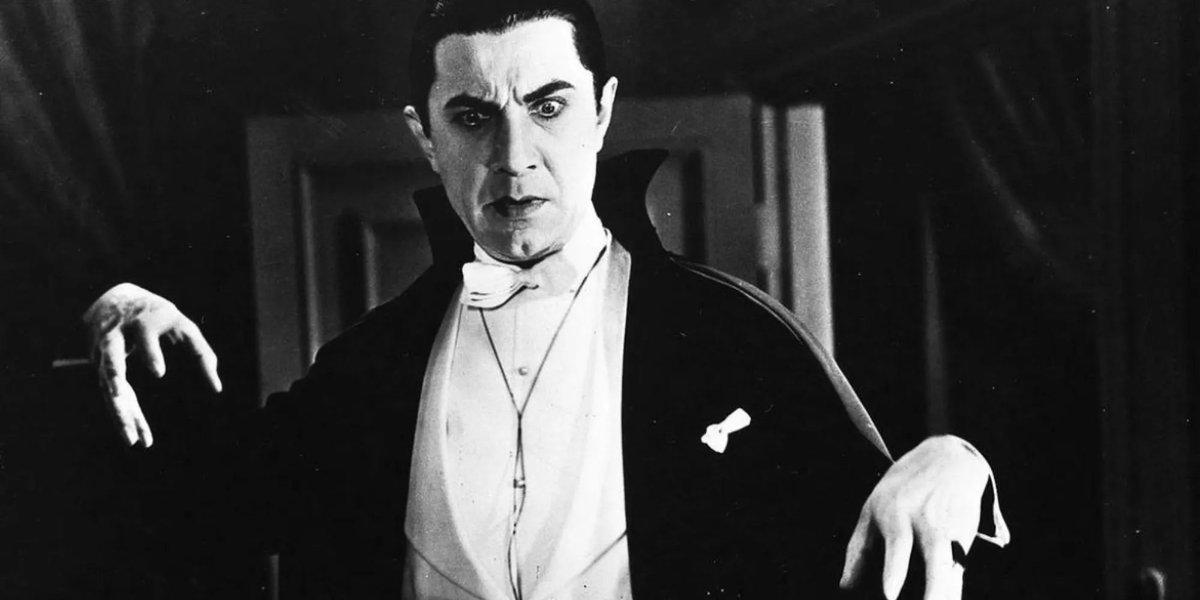
From chilling folklore to charismatic pop culture icons, vampire characters have captured our imaginations for centuries. They've journeyed far beyond the classic image of a bloodthirsty monster, evolving into multifaceted beings who reflect our deepest fears, desires, and even our capacity for empathy. This transformation has cemented their place as one of the most enduring and adaptable figures in storytelling, continuously reinventing what it means to be undead.
Dive into the captivating world of these nocturnal creatures, where every bite tells a story and every character redefines the legend. We'll trace their origins, examine their diverse portrayals, and uncover the symbolic weight they carry in our collective consciousness.
The Enduring Allure: Tracing Vampire Origins and Evolution
The concept of a life-draining entity is as old as humanity itself, appearing in various forms across cultures long before the literary vampire we recognize today. Ancient Greek myths featured monstrous figures like the child-preying Lamia and the shape-shifting Empusa, while Indian folklore warned of ghoul-like Vetala. These early myths laid a terrifying foundation, painting vampires as purely malevolent forces.
However, the narrative began to shift dramatically with literary works that introduced complexity and tragic depth. Johann Wolfgang von Goethe's 1797 poem, "The Bride of Corinth," is a pivotal example, presenting a spectral, undead betrothed driven by unfulfilled love and a cursed hunger. This tragic figure, a symbol of rebellion against societal constraints, significantly influenced the archetype of the female vampire as a seductive yet sorrowful being. This period, alongside John Polidori’s 1819 "The Vampyre," was instrumental in shaping the sophisticated and charismatic vampire we often see in modern fiction. To fully appreciate this incredible journey, we invite you to Explore vampire evolution Discover vampire portrayals through history and media.
Beyond Dracula: A Pantheon of Iconic Vampire Characters
While Bram Stoker's Dracula remains the quintessential vampire, the modern landscape is populated by an incredibly diverse cast of undead personalities. These characters challenge every expectation, ranging from comedic housemates to complex antiheroes and powerful protagonists. They prove that being a vampire isn't just about drinking blood; it's about navigating eternity with unique quirks, moral dilemmas, and surprising humanity.
Consider the likes of Viago and Lazlo from What We Do In The Shadows, who bring a hilarious, mundane sensibility to eternal life, enjoying human culture and navigating roommate squabbles. Then there's Count Von Count from Sesame Street, a purple, friendly vampire who teaches children to count, completely subverting the monstrous stereotype for educational fun. We've also seen the rise of sympathetic figures like Morbius from Marvel Comics, whose vampirism is a tragic scientific affliction rather than a supernatural curse, leading him to fight crime. To meet more of these captivating undead personalities, Explore iconic vampire characters Discover famous figures who have redefined the genre.
Female Vampires: From Tragic Seductresses to Empowered Warriors
Female vampires, in particular, have undergone a profound transformation. Rooted in figures like Goethe's "Bride of Corinth," who embodied forbidden love and rebellion, they have evolved from purely monstrous or seductive figures into complex characters embodying empowerment and vengeance. The ancient Greek Lamia, once a child-preying demon, transformed over centuries into a symbol of tragic beauty and forbidden desire.
In contemporary media, characters like Selene from Underworld stand as fierce warriors, navigating ancient wars with unwavering determination. Santanico Pandemonium from From Dusk 'Til Dawn evolves beyond a simple seductress, driven by a thousand-year quest for revenge. Even antagonists like Katherine Pierce from The Vampire Diaries or seemingly angry figures like Rosalie Hale from The Twilight Saga reveal deeper motivations and a yearning for lost humanity, making them incredibly complex. Understanding these diverse portrayals requires a deeper look into their common traits and revolutionary deviations. Explore Vampire Archetypes & Tropes to uncover the patterns and innovations within vampire storytelling.
The Supernatural Spectrum: Powers, Weaknesses, and Transformations
What makes a vampire, a vampire? Historically, identification involved a clear list of aversions: garlic, holy water, and sunlight. Physical signs included pale skin, fangs, lack of reflection, and nocturnal habits. Yet, modern depictions have dramatically expanded this supernatural toolkit, endowing vampires with a range of awe-inspiring abilities alongside their classic vulnerabilities.
Today's vampires often possess superhuman strength, impossible agility, rapid healing, and heightened senses, allowing them to blend seamlessly or overpower their prey with ease. Their insatiable need for blood remains a constant, but the way they acquire it, and the moral implications of that hunger, have become far more nuanced. Female vampires, with their inherent charm and beauty, often pose unique identification challenges, capable of moving through human society undetected. To delve into the full spectrum of their extraordinary capabilities and Achilles' heels, uncover everything about Vampire Powers, Weaknesses & Transformations.
The Deeper Bite: Thematic & Symbolic Significance of Vampires
Vampire characters are far more than just scary monsters; they are powerful metaphors that reflect deeply on human nature and societal anxieties. Their immortality forces us to confront themes of eternal life, loss, and the nature of existence itself. The blood they consume often symbolizes forbidden desire, dark communion, or the very essence of life force, tying into ritualistic horror and primal fears.
From the tragic unfulfilled love in "The Bride of Corinth" to allegories of spiritual bondage and suppressed power, vampires embody complex thematic significance. They can represent rebellion against societal norms, the allure of the forbidden, or the eternal struggle between good and evil. Their transformations, often viewed through the lens of death and rebirth, speak to our own desires for change and transcendence. Understanding these layers enriches every encounter with a vampire character, revealing profound insights into our own world. We encourage you to explore the profound Thematic & Symbolic Significance of these immortal beings.
The evolution of vampire characters from horrifying folklore to beloved, complex figures is a testament to the enduring power of storytelling. They continue to adapt, reflecting our changing fears and fascinations, ensuring their place in our cultural landscape for generations to come. The next vampire story you encounter might just redefine the myth all over again.