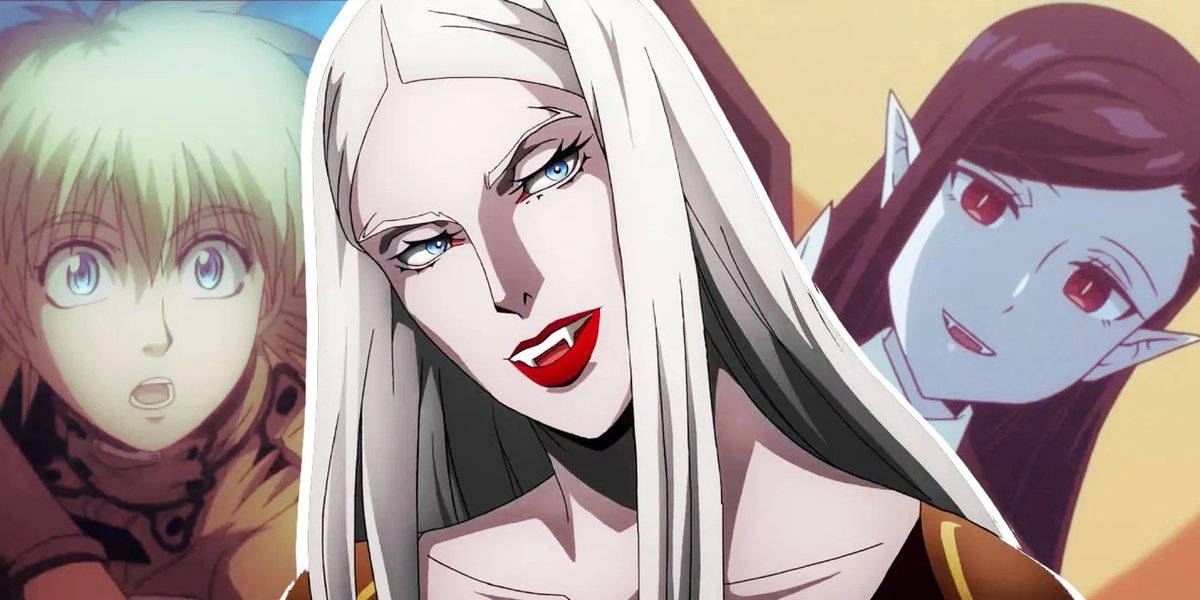
For centuries, few figures have cast a shadow as long and complex over human imagination as the vampire. These enigmatic beings, simultaneously alluring and terrifying, have evolved dramatically, ensuring Vampire Characters Across Media Genres remain evergreen. What began as a terrifying folk monster has transformed into everything from a romantic lead to a scientific anomaly, a comedic foil, or a symbol of societal anxieties. Their enduring adaptability is truly a testament to the rich soil of myth and the fertile ground of modern storytelling.
You might think you know the vampire: fangs, aversion to sunlight, a thirst for blood. But peel back the layers, and you'll find an archetype that mirrors our deepest fears and desires, constantly shape-shifting to reflect the times. This isn't just a guide; it's an exploration into why we can't get enough of the undead, and how they continue to reinvent themselves for new generations.
At a glance:
- Vampires are incredibly versatile, thriving across horror, romance, sci-fi, comedy, and fantasy.
- Their evolution closely tracks societal anxieties, taboos, and aspirations, making them potent cultural metaphors.
- Modern vampire lore often reinterprets or outright defies traditional weaknesses and powers.
- Character depth, internal conflict, and unique world-building are key to a compelling vampire narrative.
- The future promises even more diverse and genre-bending iterations of the immortal bloodsucker.
More Than Just Bloodsuckers: The Enduring Appeal of the Undead
The very concept of a creature that sustains itself on the life essence of others dates back to ancient folklore, long before Bram Stoker penned Dracula in 1897. From Mesopotamian demons like the Lilitu to the Malaysian Penanggalan, nearly every culture has its own version of a bloodthirsty entity. Yet, it was Stoker’s Count Dracula, an aristocratic, sophisticated, and utterly terrifying figure, who codified many of the tropes we now associate with the Western vampire. He wasn’t just a monster; he was a foreign threat, an embodiment of primal fear and forbidden desires, hinting at a darker, more sensual existence.
What is it about the vampire that maintains such an unshakeable grip on our collective consciousness? Perhaps it's the allure of immortality – life without end, the chance to master time itself. Or maybe it’s the forbidden power, the supernatural abilities that defy human limitations. There's also the undeniable sensuality, the intimate act of feeding, often portrayed as a metaphor for intense passion or destructive relationships. Ultimately, vampires encapsulate the "other"—a being both familiar and alien, beautiful and monstrous, reminding us of the thin veil between life and death, order and chaos.
The Shifting Sands of Fear: Vampires as Harbingers of Horror
At their core, vampires originated as figures of dread, embodying the most visceral human fears: death, disease, and the unknown. In horror, they strip away our sense of safety, forcing us to confront our own fragility.
Early Terrors: Monsters of Shadow and Superstition
Consider F.W. Murnau’s Nosferatu (1922), an unauthorized adaptation of Dracula. Max Schreck’s Count Orlok wasn't a suave seducer but a rat-like, grotesque figure, a walking plague. This iteration leaned heavily into the folklore aspect, presenting a truly monstrous entity that spread disease and brought death to a town, reflecting the era's anxieties about pestilence and the alien other. Similarly, Hammer Films' Dracula series starring Christopher Lee, while more dashing than Orlok, still depicted a predatory, malevolent force, a creature of pure evil preying on the innocent.
These early vampires were primarily external threats. They were the villains, the unholy abominations that needed to be destroyed for the good of humanity. Their powers—superhuman strength, hypnotic gaze, shapeshifting into bats or mist—served one purpose: to hunt and to kill. Their weaknesses—sunlight, stakes through the heart, holy symbols—were clear-cut, offering a tangible path to salvation for their victims.
Modern Horrors: Psychological and Existential Dread
As storytelling evolved, so did the fears vampires exploited. Films like 30 Days of Night (2007) present vampires as brutal, animalistic predators, devoid of humanity or charm, embodying sheer survival horror. Here, the terror isn't just being bitten; it's the hopelessness of being hunted in an isolated, sunless environment. Blade (1998) introduced a half-vampire superhero fighting a secret society of powerful, sophisticated, yet utterly ruthless vampires who aim to subjugate humanity. This shifted the fear from individual monsters to a systemic threat, a hidden world poised to take over our own.
Even more unsettling are the psychological horrors, where vampires are not just physical threats but moral quandaries. Let the Right One In (2008) uses a child vampire to explore loneliness, co-dependency, and the terrifying cost of survival. The horror isn't just in the bloodlust, but in the moral corruption it entails and the dark choices characters are forced to make. These modern takes demonstrate that the genre still finds new ways to make our blood run cold, twisting familiar tropes to explore contemporary anxieties.
Beyond the Bite: The Allure of Romance and Redemption
While fear remains a potent aspect, the vampire's image softened considerably through the 20th century, morphing into figures of tragic romance and complex anti-heroism.
Byronic Heroes and Tragic Lovers: The Rise of the Romantic Vampire
Lord Ruthven from John Polidori’s The Vampyre (1819) arguably kicked off the romantic vampire trend, portraying a seductive nobleman rather than a repulsive monster. This paved the way for Anne Rice's The Vampire Chronicles, specifically with characters like Lestat de Lioncourt. Rice’s vampires were tormented, introspective beings grappling with immortality, loneliness, and the morality of their existence. Their glamour was undeniable, their internal struggles deeply human, making them captivating figures of tragic grandeur.
Similarly, Joss Whedon's Angel, first introduced in Buffy the Vampire Slayer and later starring in his own spin-off series, became the quintessential "vampire with a soul." Cursed with a restored conscience after a brutal past, Angel embodied redemption. His struggle against his own dark nature and his yearning for connection, despite his monstrous needs, resonated deeply with audiences. These characters proved that vampires could be more than just villains; they could be protagonists capable of love, sacrifice, and profound sorrow.
Blurring Lines: Vampires as Outcasts and Anti-Heroes
The 21st century accelerated this trend, with vampires becoming central figures in stories exploring themes of acceptance, integration, and even adolescence. The Twilight saga, for instance, presented a coven of "vegetarian" vampires who abstained from human blood, living among mortals and striving for a normal existence. Edward Cullen, a brooding, eternally youthful vampire, became the object of a human girl's affection, effectively mainstreaming the idea of a romantic, "safe" vampire.
HBO's True Blood took a more adult approach, introducing a world where synthetic blood allowed vampires to "come out of the coffin" and coexist—uneasily—with humans. This series used vampirism as a powerful metaphor for various marginalized groups, exploring themes of civil rights, prejudice, and integration. Likewise, The Vampire Diaries featured a cast of young, attractive vampires caught in complex love triangles and supernatural conflicts, often grappling with their humanity and the consequences of their actions. Each of these examples showcases how modern narratives move beyond simple good-vs-evil, delving into the nuances of what it means to be an immortal outsider. For a deeper dive into these fascinating transformations, Your guide to vampire characters delves deeper into the archetypes and transformations of these iconic figures, exploring their impact on pop culture.
Vampires in Unexpected Places: Genre Blending and Reinvention
The versatility of the vampire archetype allows it to seamlessly weave into nearly any genre, proving its enduring narrative power beyond traditional horror or romance.
Sci-Fi Bloodlines: Post-Apocalyptic and Futuristic Fangs
When vampires collide with science fiction, the results are often bleak, thought-provoking, and action-packed. Films like Daybreakers (2009) imagine a near-future where vampires are the dominant species, and humanity is on the brink of extinction. The dwindling blood supply leads to a scientific quest for an artificial substitute, turning vampirism into a societal crisis. Here, the horror isn't just the monster, but the existential dread of a world collapsing due to a resource shortage.
The Underworld franchise positions vampires as an ancient, aristocratic race locked in a perpetual war with werewolves, or Lycans, using advanced weaponry and biotechnology. This series redefines vampirism as a genetic trait, almost a super-species, focusing on lineage, combat, and political intrigue within a high-tech gothic setting. These examples demonstrate how the creature’s origin can be reinterpreted through a scientific lens, offering fresh narratives for familiar bloodlust.
Comedy and Satire: Undead Laughs and Social Commentary
The inherent absurdity of an immortal being trying to navigate the mundane challenges of modern life is ripe for comedy. What We Do in the Shadows, both the 2014 film and the subsequent FX series, masterfully mines this premise. It follows a group of ancient vampires living together in Staten Island, dealing with roommate squabbles, bureaucratic paperwork, and the perplexing customs of human society. The humor comes from the clash between their ancient, monstrous sensibilities and the utterly pedestrian demands of contemporary existence.
Other comedic takes, like Vampire's Kiss (1988) starring Nicolas Cage or Love at First Bite (1979) with George Hamilton as Count Dracula, often satirize the very tropes they employ. They poke fun at the dramatic brooding, the elaborate rituals, and the sheer impracticality of being a vampire, offering a refreshing, self-aware perspective on the mythos. Through comedy, vampires can be used to brilliantly comment on human society, our pretenses, and our daily struggles.
Detective and Mystery: Solving Crimes in the Shadows
Who better to solve crimes than someone with centuries of experience, heightened senses, and unique perspectives on human nature? The detective vampire trope combines the supernatural with the cerebral. Forever Knight (1992-1996) famously followed Nick Knight, an 800-year-old vampire working as a detective in modern-day Toronto, constantly seeking redemption for his past sins while using his abilities to bring justice. His immortality provided a deep well of historical knowledge and a weary cynicism that added layers to typical police procedural drama.
Similarly, Tanya Huff's Blood Ties series, adapted into the TV show Blood Ties (2007), features a former detective who starts seeing ghosts and ends up working with a charismatic, blind vampire private investigator. These narratives leverage the vampire’s unique position as an outsider with supernatural insights, allowing them to navigate the murky waters of crime and consequence in ways humans cannot, often adding a layer of moral ambiguity to their methods.
Fantasy & Urban Fantasy: Magic, Clans, and Ancient Lore
In the expansive realms of fantasy and urban fantasy, vampires often exist as just one species among many supernatural creatures. Authors like Laurell K. Hamilton (Anita Blake: Vampire Hunter) and Patricia Briggs (Mercy Thompson) embed vampires within complex, hierarchical societies governed by ancient laws and often intertwined with other magical beings like werewolves, fae, and witches.
In these worlds, vampirism can be a gift, a curse, or simply a fact of life, complete with its own unique politics, power struggles, and even magical abilities beyond the traditional. The emphasis shifts from simply being "a vampire" to being "a vampire of a specific clan," with distinct rules, strengths, and weaknesses. This allows for rich world-building and character development, exploring how different supernatural species interact, coexist, or wage war within modern settings.
The Anatomy of a Vampire: What Defines Them Now?
While the core concept of a blood-drinking immortal remains, the specifics of vampire physiology, powers, and weaknesses have become incredibly malleable across media.
Powers and Weaknesses: A Customizable Toolkit
Gone are the days when every vampire spontaneously combusted in sunlight or could be instantly dispatched with a cross. Modern narratives have introduced a spectrum of variations:
- Sunlight: From instant death (Blade) to merely weakening or "sparkling" (Twilight) to a complete non-issue (True Blood). This single change significantly impacts how vampires interact with the world.
- Stakes and Holy Water: While often still effective, some vampires are resilient to traditional methods, requiring more elaborate means of destruction, or even being immune to holy symbols due to an absence of faith.
- Super Strength & Speed: Almost universal, but the degree varies wildly. Some are Olympic-level athletes, others are bullet-timing gods.
- Mind Control & Glamour: The ability to influence minds or appear irresistible is a common tool for manipulation and seduction.
- Healing & Immortality: A defining trait, yet even healing can have limits, and immortality often comes with the burden of eternal loneliness or boredom.
- Bloodlust: The constant, primal urge for blood remains a core struggle, but how it's managed (animal blood, synthetic blood, self-control) is a major character point.
This customizable toolkit allows creators to tailor their vampires to specific narrative needs, dialing up or down their vulnerability to craft tension or explore different thematic ideas.
The Human Element: Empathy and Monstrosity
One of the most compelling aspects of contemporary vampire characters is their internal struggle with their humanity—or lack thereof. Is a vampire merely a soulless monster, or can they retain elements of their former self?
Many stories delve into this question:
- The Loss of Soul: Characters like Angel, tormented by a restored conscience, highlight the profound difference between being a monster and being human. The absence of a soul (or conscience) often defines the most brutal vampires.
- Emotional Capacity: Can a vampire truly love? Feel remorse? Experience joy? The Vampire Diaries often plays with the "humanity switch," where vampires can suppress their emotions to avoid pain, showcasing the delicate balance between feeling and monstrousness.
- Memory and Identity: Centuries of life can lead to memory loss or a fractured sense of self. How does one maintain an identity when the world constantly changes around them? This provides fertile ground for stories of existential crisis and the search for meaning.
These explorations move beyond simple good-versus-evil, inviting us to consider what truly defines humanity and whether it can persist beyond mortal constraints.
Why Do We Keep Coming Back? The Societal Mirror
The enduring popularity of vampire characters isn't just about cool powers or forbidden romance. They serve as powerful allegories, reflecting society's fears, desires, and moral dilemmas.
Reflecting Our Fears
Vampires have historically embodied our anxieties about disease (the literal blood sickness), foreignness (Dracula as the exotic other), and the loss of self (being turned, losing one's soul). In modern times, they can symbolize broader societal concerns:
- Immortality vs. Mortality: The ultimate escapism, but at what cost? Do we truly want to live forever if it means watching everyone we love die?
- The "Other": Vampires are often metaphors for marginalized groups—racial, sexual, or social—and our societal struggles with prejudice, acceptance, and integration. True Blood is a prime example of this.
Mirroring Our Desires
Beyond fear, vampires tap into our deepest desires:
- Power and Control: The ability to dominate, to compel, to be physically superior.
- Eternal Youth and Beauty: The dream of never aging, always being in one's prime.
- Forbidden Romance: The thrill of a dangerous, passionate, and often tragic love that defies societal norms.
- Escapism: The allure of a hidden, supernatural world existing just beneath the surface of our mundane lives.
Exploring Morality
Perhaps most profoundly, vampires force us to grapple with fundamental questions of morality:
- What does it mean to be human? If a vampire retains human emotions and a conscience, are they still a monster?
- The cost of survival: If an immortal must feed on mortals, what ethical lines are crossed? Are some lives inherently more valuable than others?
- Good vs. Evil: Many narratives explore shades of grey, with "good" vampires struggling to resist temptation and "evil" ones showing moments of unexpected humanity.
By embodying these complex ideas, vampire characters provide a canvas for us to explore our own values, prejudices, and aspirations within a fantastical framework.
Beyond the Fangs: Crafting Compelling Vampire Narratives
For creators, the challenge and opportunity with vampire characters lie in moving beyond the clichés and finding fresh angles.
What Makes a Vampire Character Stand Out?
The best vampire characters are more than just a list of powers and weaknesses. They possess:
- Unique Origin Stories: How did they become a vampire? Was it a curse, a choice, an accident, or scientific experiment? A compelling origin adds layers to their current existence.
- Complex Motivations: Why do they do what they do? Is it hunger, love, revenge, boredom, a desire for power, or a yearning for redemption? The "why" is often more interesting than the "what."
- Internal Conflicts: The struggle between their monstrous nature and any lingering humanity, their past and their present, their desires and their conscience. This is often the heart of their appeal.
- How They Interact with Their World: Do they try to blend in? Do they rule from the shadows? Are they openly hostile or desperately seeking acceptance? Their relationship with the human or supernatural world defines their role in the narrative.
- A Distinctive Voice/Personality: From the urbane wit of Lestat to the awkward charm of Nandor in What We Do in the Shadows, a unique personality makes them memorable.
Pitfalls to Avoid:
While the vampire archetype is robust, there are common traps that can make a character or story feel uninspired:
- Generic Powers/Weaknesses: If your vampire is just a stronger, faster human who dies in the sun, consider what makes them truly unique. Reinvention is key.
- Lack of Depth: A vampire character without internal conflict or compelling motivations can quickly become a flat, one-dimensional villain or love interest.
- Over-Reliance on Existing Tropes Without Innovation: Simply re-hashing Dracula or Twilight without adding a fresh perspective or twist can feel derivative.
- Inconsistent Lore within a Single Narrative: Establishing clear rules for your vampires—even if they defy traditional lore—is crucial. Breaking your own rules leads to audience frustration.
- Forgetting the "Monster" Element: Even the most romantic or comedic vampires should retain a hint of their dangerous, predatory nature. Without it, they lose their edge.
The Undead Future: What's Next for Vampire Characters?
The constant evolution of vampire characters suggests they are far from fading into obscurity. In fact, their future seems as immortal as they are. We can anticipate:
- Continued Genre Blending: More unexpected crossovers, such as vampires in historical fiction with accurate cultural settings, or even more philosophical takes in literary fiction.
- Exploring New Cultures and Mythologies: Moving beyond Western European folklore to draw from the rich tapestry of global vampire-like entities, such as the Aswang from the Philippines, the Strigoi from Romania, or the Vrykolakas from Greece, offering fresh perspectives and fears.
- Technological Integration: Imagine AI vampires, genetically engineered bloodsuckers, or cybernetic immortals in cyberpunk settings.
- Further Deconstruction of Tropes: Writers will continue to challenge and subvert established vampire lore, playing with expectations and finding new ways to surprise audiences.
- Emphasis on Diverse Voices and Perspectives: As the media landscape broadens, expect more vampire narratives from creators of diverse backgrounds, bringing new cultural insights and experiences to the archetype.
The vampire remains a powerful, mutable metaphor for our deepest fears and desires, capable of adapting to any societal shift or technological advancement. They are the ultimate survivors, and their stories, it seems, will continue to be told for as long as we have fears to confront and desires to explore.
Sinking Your Teeth In: Exploring the Vampire Pantheon
From the chilling shadows of Transylvania to the sun-drenched streets of modern-day cities, vampire characters have consistently proven their narrative bite. They challenge our perceptions, ignite our passions, and force us to confront the very essence of what it means to be alive, or undead. Whether you prefer your vampires monstrous and terrifying, tragic and romantic, or even hilariously mundane, there's an entire pantheon waiting for you. Dive in and explore the richness and adaptability of these immortal icons—you might just find your next obsession.